
How to Choose a Keyword?
- Fatih Emin Çakıroğlu

Keywords are words and phrases that people use
when searching for information and content
online. They also include ideas and topics about
what the content of a web page is about.
Google uses keywords to assess the relevance of
a page’s content to a user’s search
query. The more relevant your content is to a
keyword, the more likely someone is to find you.
Finding the right keywords for your website is one of the most important things you can do in your SEO efforts. If you target the wrong keywords, you’ll waste time and money without realizing it.
You need to do keyword research to find the
wrong keywords and avoid using them.
This is a guide to help website owners, SEO
beginners, multichannel marketers, SEO agencies
and other digital marketers. In summary, here is
what you can do about it;
- Find out exactly what keyword research is
- Evaluate your existing keywords and their performance
- Find available opportunities
- Organize your keyword research effort
- Find brand new keywords for your site
- Choose the right keywords for a website
- Gain insight into the keywords your competitors are using
What is Keyword Research?
Keyword research is the process of finding the
words and phrases that people use when they
search for information and content about your
website and business online. When it comes to
digital marketing, keyword research will form
the basis of your content.
Keyword research shows you not only the right
keywords to target, but also what your customers
expect from you. Keyword research helps you not
only sell more products but also acquire and
retain more customers.
How to do Keyword Research for SEO?
The first of these steps will only apply to
those with a website that has been around for a
while, the other 4 apply to everyone.

1. Evaluate your current performance!
This step means finding out what keywords your
site is already searching for. The best place to
start is Google itself with the Google Search
Console.
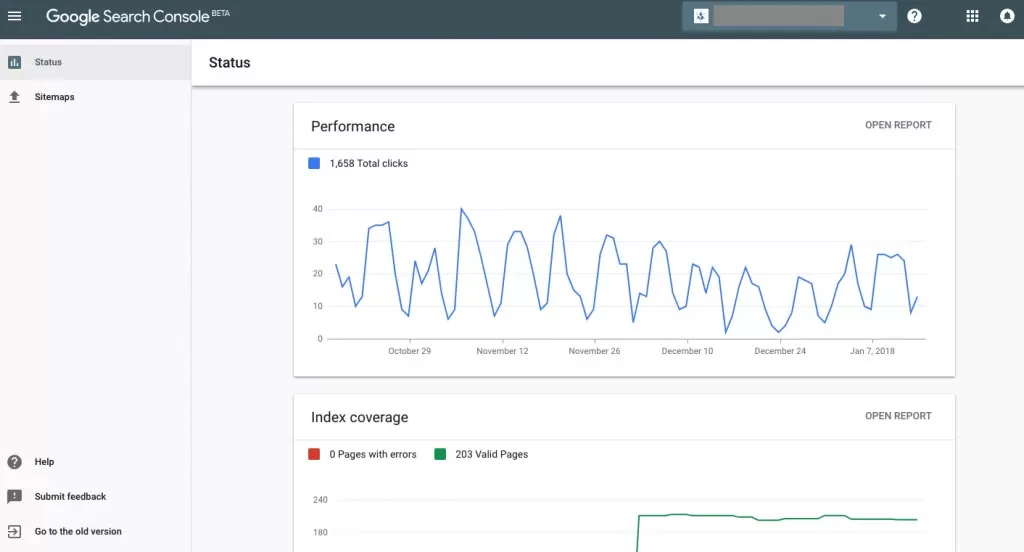
The main disadvantage of your site’s
Search Console data is that it does not include
search volume. This may not matter for many
sites, but it can be a problem for really big
websites (e-commerce, news, big content
publishers, etc.).
3. Create keywords grouped by relevant topics
The main disadvantage of your site’s
Search Console data is that it does not include
search volume. This may not matter for many
sites, but it can be a problem for really big
websites (e-commerce, news, big content
publishers, etc.).
First approach Monetization
This is a fairly simple option. You can
associate your buckets with the services,
products and/or categories of your business
Second approach Niche
Niche starts with the general niche of your
website (industry, type of business) and expands
to longer and longer tail keywords until you
find opportunities for your site.
For example, a website that publishes music
reviews starts with the keyword “music
review”. You can then use different
keyword research tools to find new keywords
outside of that niche, or you can go directly to
the source and find new keyword topics from
Google.
4. Find new keyword ideas
Now that you have a starting list of existing
keywords and the topics your website will
target, it’s time to explore new keyword
possibilities to help people find your content.
You can do this step by continuing with the
niche down method unless you fill out a
spreadsheet with keyword possibilities.
5. Choose the right keywords
Choosing the right keywords is not entirely
based on difficulty and search volume.
Your keywords should align with your overall
marketing strategy. Ask yourself this question:
“How will you attract people at each stage
of the buying cycle and help move them to the
next stage?”
6. Study your competitors
Remember; your competitors are also doing
keyword research. Chances are, they found some
unique keyword opportunities that you
didn’t discover. Fortunately, there is no
reason why you shouldn’t use these ideas
too!

Fatih Emin Çakıroğlu
Hello, I am Fatih Emin Çakıroğlu. After graduating from
Information Technologies Teaching, I worked in various
private schools. I have been working as an SEO
Specialist at Mobitek Performance Agency for 2 years. I
try to learn and inform in my blog content.
All Articles