
What is Structured Data?
- Fatih Emin Çakıroğlu

You may not have heard of Structured Data,
Schema.org, and JSON-LD before, and you might
not have delved into what these terms exactly
correspond to.
In this blog post;
- What is Structured Data?
- What does it do?
- You can find answers to questions related to SEO!
Where is Structured Data Used?
Structured data is the code that makes sense of
your search data for search engines. Search
engines read the codes and use them in display
results (Rich Snippet). You will be able to
easily insert the desired piece of code into
your web page.
For example; let’s say you have a website
with recipes. If you add this structured data to
your page, you can change the result in search
engines. That’s why I’m
experimenting with Rich Snippet, rich visual
content in the results shown in search results.
Rich content looks like this: To have the URL
appear in search results with the above title
and see some details within the text, you need
to add Structured Data to your website.
Structured data is available for many fields and
is always in a code format.
For example, structured data is available for
books, reviews, movies and your e-commerce
store. With this data, you’ll be able to
add more details to the Rich Snippets that
appear in your search results. To see which Rich
Snippet results are supported as a result of all
this work, just take a look at Google’s
Search Gallery. Google does not always generate
or display Rich Snippet result content for your
page, even if you have added this data. It
doesn’t guarantee that this will happen, but the
only thing you can do is to add supporting
formats to your page and wait for Google to
recognize these formats and display your data in
the desired Rich Snippet format on the results
page!
What are the Benefits of Creating Structured Data?
This study will allow you to make the changes
you want in search engine search results. You
can detail to search engines which ingredients
you want to be included in your recipe. Google
will be able to grasp all this information
instantly and decide to show it in the search
results. Structured Data is, therefore, an
excellent tool you can use to provide detailed
information about a page on your website to
Google.
Google can use this information to generate
informative, rich search results later.
What is Schema.org?
Schema.org is a large online project managed by
Google, where you can find structured data
formatting codes supported by search engines and
collaboratively developed by them.
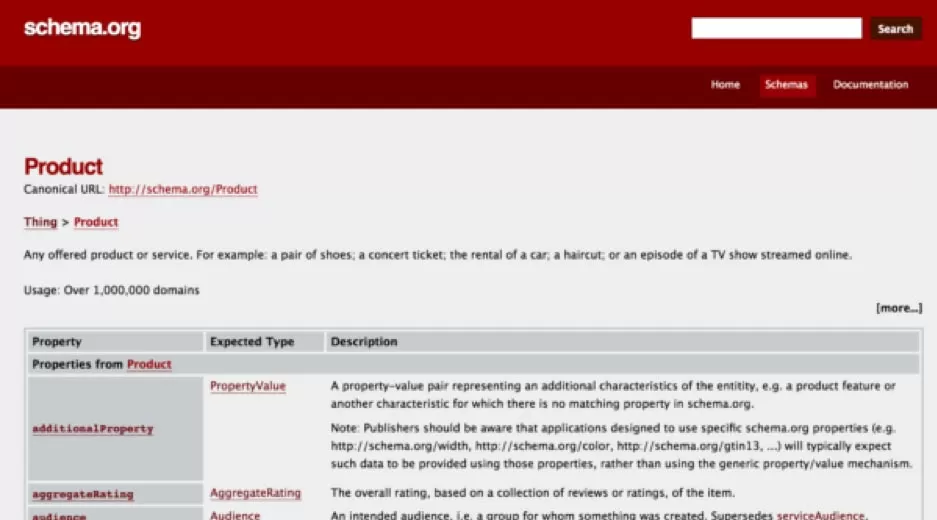
You can get code samples for free to use on your
site, but you need to adapt the existing code to
fit your needs. If you want to adapt existing
codes for your own website, you can check the
following address.
https://schema.org/docs/schemas.html
For example, if you sell T-shirts on your site,
you can easily display which colors of T-shirts
you offer and the sizes available in your
snippet. You should research Schema.org/Product
and learn which possibilities you can consider.
You can copy code examples from Schema.org and
then customize the code to fit your specific
preferences.
What is JSON-LD?
A JavaScript presentation method that is kept
separate from the “html” body using
script tags in the page header. This facilitates
the development of schema markup, which does not
require careful expression of the content around
property labels to create structured data.
JSON-LD is therefore one of the most popular
format implementations. JSON-LD is one of
Schema.org’s formats. These signs give you a way
to write code. Schema.org also offers other
markup formats such as Microdata or RDFa. We
always recommend using JSON-LD, as it is less
likely to break your site compared to other
markups and is also preferred by Google.
The Importance of SEO for Structured Data
Structured data is important for SEO because it allows Google to easily learn about the content of your page and website. Google needs to know what a page is about in order to show it in search results. In this case, using Structured data is the same as talking to Google. The structured data process is an easy and practical way to tell Google what your site is about.

Fatih Emin Çakıroğlu
Hello, I am Fatih Emin Çakıroğlu. After graduating from
Information Technologies Teaching, I worked in various
private schools. I have been working as an SEO
Specialist at Mobitek Performance Agency for 2 years. I
try to learn and inform in my blog content.
All Articles